

Postnasal drip
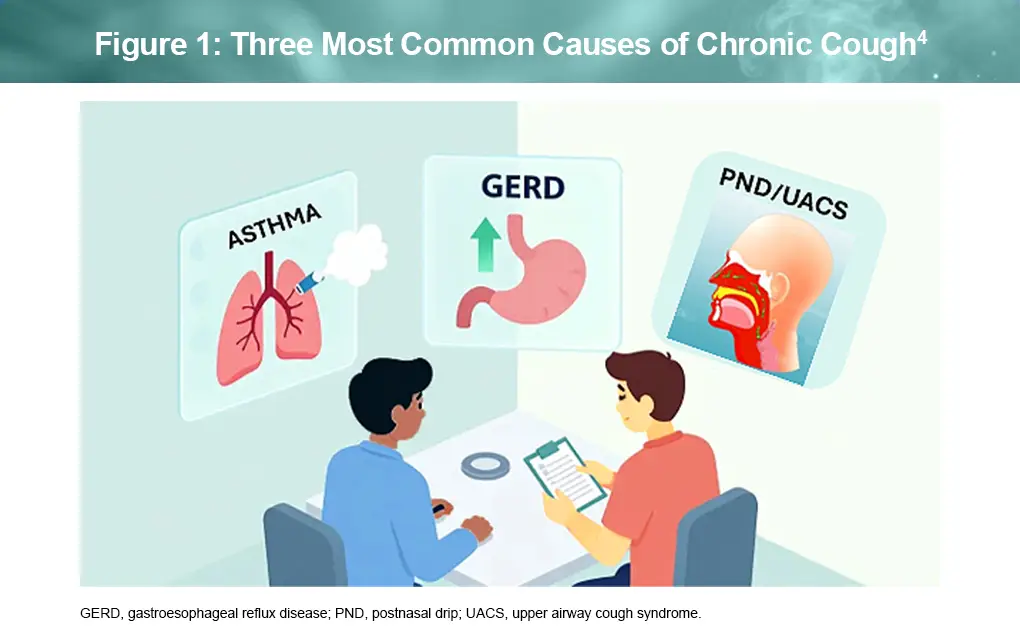
PND, also referred to as upper airway cough syndrome (UACS), may develop as a result of an allergy, cold, rhinitis (inflammation of the nasal lining), and sinusitis (inflammation of the sinus cavity). In these conditions, mucus from the nose can drip or flow into the back of the throat, causing irritation or a tickle, which can trigger cough. Symptoms of PND include a stuffy or runny nose, the feeling of liquid or mucus in the back of the throat, and a frequent need for clearing your throat. In about 20% of people, PND has no symptoms except for cough.3

Respiratory infections
Viral infections, including long COVID, and bacterial sinus infections can cause PND and chronic cough.3

Asthma
Asthma is not only a leading cause of chronic cough in children, it can also cause chronic cough in adults. Symptoms of asthma include episodes of breathlessness, tight chest, wheezing, and coughing. In cough variant asthma, a dry cough is the only symptom. Symptoms may vary in time and intensity, and can be triggered by seasonal allergies, upper respiratory infection, cold and/or dry air, exercise, fumes, or fragrances.3

Gastroesophageal reflux
Gastroesophageal reflux and GERD result from irritation by stomach acid flowing back into the esophagus. In addition to chronic cough, symptoms of acid reflux include heartburn and a sour taste in the mouth.3
Nonasthmatic eosinophilic bronchitis (NAEB)
NAEB is a less common cause of chronic cough than asthma and occurs when the airways become inflamed, which can trigger chronic cough. Although NAEB shares some inflammatory features with asthma, people with NAEB do not have airway narrowing or breathing problems. In NAEB, the mucus contains eosinophils (immune cells involved in inflammation and allergic responses), similar to eosinophilic asthma.3,5
Certain blood pressure medications
A commonly used class of blood pressure medications called ACE (angiotensin converting enzyme) inhibitors can cause a dry chronic cough.3
Chronic bronchitis
Chronic bronchitis typically occurs in current or former smokers—“smoker’s cough”. This type of cough is often worse in the morning, as the body works to clear mucus and irritants that have accumulated in the airways overnight.3
Lung cancer
Only a small proportion of people with chronic cough have lung cancer, which is more commonly associated with smoking. Warning signs may include coughing up blood, a change in the cough, or a cough that continues for more than a month after quitting smoking.3
Bronchiectasis
People who have had severe or repeated lung infections can develop a condition called bronchiectasis, where the airways (the tubes that carry air to the lungs) become damaged and permanently dilated. This makes it harder for the lungs to clear mucus, which can build up and lead to a long-lasting cough.

Habitual Cough
A habitual cough, sometimes referred to as a nervous cough, is a cough that continues even after the original cause is gone. Other names include neurogenic cough, psychological cough, and psychogenic cough. This type of cough may be related to the way the nervous system, emotions, and the body’s cough reflex work together. Similar to how some people blush when they feel embarrassed, stress, anxiety, and emotions can trigger or worsen the cough as an involuntary physical response to these emotions. Habitual cough can sometimes sound like honking or barking, and it often goes away during sleep. It may not improve with usual cough treatments.3,6

Refractory chronic cough
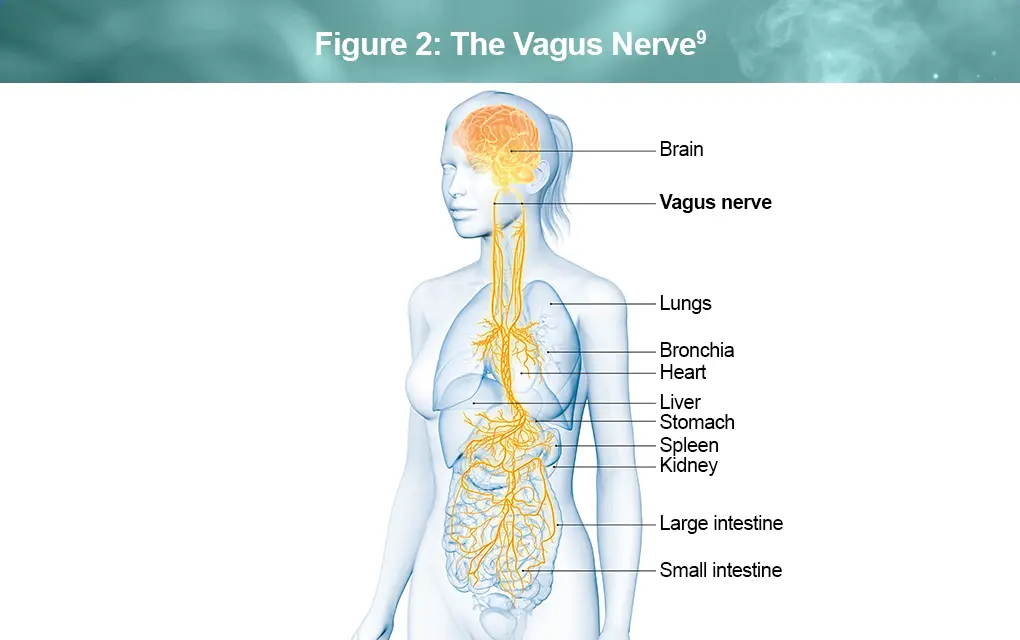
In most cases, chronic cough is caused by one or more of the conditions above. However, in some people, cough persists despite treatment or has no clear cause. This is known as refractory chronic cough (RCC). It’s important to remember that the cause of a chronic cough can change over time. In fact, some patients whose cough does not respond to medical treatment for their PND, asthma, or GERD may have years without relief. In other patients, an underlying explanation is never found. Patients with RCC often develop excessive coughing that is triggered by relatively mild irritation due to cough hypersensitivity, sometimes referred to as cough hypersensitivity syndrome. Their cough is often described as unpredictable, with a persistent tickle in the throat.3,7